Rediscovering the UT2004 Maps I Built at 13
Before I ever wrote a line of code, I was building worlds: Unreal Tournament 2004 maps that taught me design, performance, and systems thinking by pure experimentation.
Before I ever wrote a line of code, I spent hours in UnrealEd, tearing apart maps, reverse-engineering layouts, and cobbling together messy, unpredictable VCTF worlds.
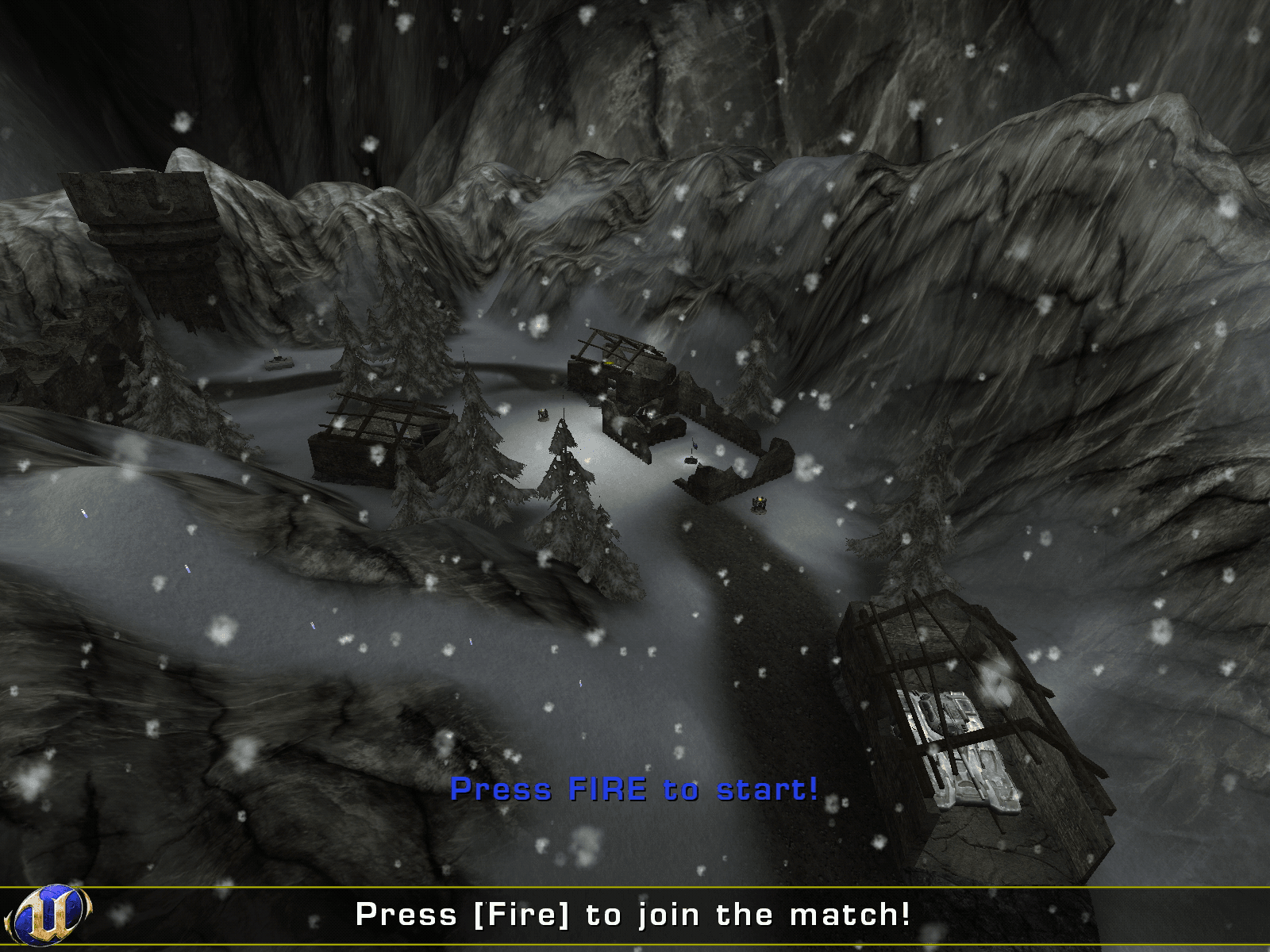
BattleChill: one of my early VCTF maps, full of chaos.
- level design through observation + iteration
- optimization as a survival skill
- playtesting by watching real players improvise
- systems thinking long before I had the words for it
Watching players in the wild
I used to join servers as a spectator, hoping someone was playing one of my maps. I’d watch, trying to see if they’d use my shortcuts or hidden routes, or just blow everything up. It was design feedback I couldn’t buy.
Performance hacks at 13
Frame drops were brutal. That’s when I stumbled on antiportals: invisible volumes that blocked rendering behind terrain. Drop one under a hill, and boom: sudden smoothness.
I didn’t know “occlusion culling” yet. I was already using it.
Sculpting geometry and skyboxes
Maps were built by carving volume out of nothing (subtractive) then adding detail back in (additive). And skyboxes? Tiny rooms outside your level that projected the sky. Screw it up and you got the “Hall of Mirrors” freak-out effect.
Lighting before raytracing
We didn’t have real-time lights. Everything was baked. Tweak settings, hit “Build Lighting,” wait. Sometimes for minutes. Sometimes for hours. And half the time it looked fine only in theory.
My favorite map themes
- Ruins: broken stone temples
- Space: floating platforms suspended in void
- Forests: organic outdoor levels hiding antiportals
A tight-knit scene
VCTF was niche, which made community matter. Occasionally people bundled maps and included mine. To 13-year-old me, that felt legendary, like someone approving your mixtape.
UT2004 also made custom content frictionless. You joined a match, it fetched what you needed, and you played. No manual mods. No installs. It just worked. And it gave creators like me a shot.
Changing names, same kid
If you check the Unreal Archive, my maps show up under several aliases. As a 13-year-old, I reinvented my name as often as I tried new map ideas. Each alias is a timestamp of me making things.
Lessons I never knew I was learning
These maps were more than playfields. They were early experiments in systems thinking, performance, and user experience. I didn’t know the jargon, but I was learning by doing.
Today, I build things the same way: dive in, experiment, break stuff, repeat. The names and tools have changed, but the drive hasn’t.
Before code, I built worlds. Same instinct, different materials.